Delusion
Saraid de Silva · New Zealand
We said goodbye on Karangahape Road. I don’t remember the rain starting, only that it hadn’t ended. My friend got an Uber to his hookup and I drove myself home. In the middle of the night when I woke, it was the same rain, unrelenting. Like the tide coming in, a sea falling from the sky.
My friend texted me at 3 a.m. to say his driver had only turned around when the water ahead looked deeper than the wheels of the car. He had almost got there. Instead he was driven all the way home, sad and undicked-down.
Leaving the house in this rain wasn’t forbidden, just discouraged. Unusual weather in Aotearoa is sometimes a lot of fuss for nothing. The government sends warnings; they light up every phone in the house at the same time, while the news shows the cyclone passing by, miles away from land. And maybe there’s also an attitude we have in New Zealand: a reluctance to react too quickly. We cringe the most at ourselves.
The next time I went out walking, I took my usual route through the bush. Aside from the lack of people on foot, the streets looked normal. I had my headphones on. I wasn’t thinking about the last few days or how frightening they had been. Even though two people had died in the flash flooding not far from me. Even though the regions were saturated by yet another once-in-a-century weather event, houses full of water, roads submerged and undetectable.
I pushed aside the hastily constructed fence in front of the pathway to the bush. There was a sign warning me off. I don’t remember what it said because I didn’t care. What were a few wet slopes or unearthed roots to me? I ran down the wooden stairs, ducking branches which had fallen to neck-height, hopping over others which had emerged up out of the earth like a reminder. And then I paused.
The bridge looked as though it had been lifted. Lifted, contorted, and left there. It swung out over nothing. Its wooden foundations were ripped in half, splayed out onto either side of the valley the bridge crossed. I remember thinking this was really dangerous, that anyone as stupid as me could just come down here.
Even though the regions were saturated by yet another once-in-a-century weather event, houses full of water, roads submerged and undetectable.
Why did the aftermath look so violent? Wasn’t it only rain?
Three years later, each time I passed by the same path, I clocked the sign I had once scoffed at, that flimsy fence in the way, barely a suggestion—until one day it was gone.
The pathway had been reconstructed. It looked sturdy and real. Things were finally back to normal. The weather couldn’t hurt me. Climate change was a problem for everyone else.
There were no more scary dangling bridges, but up ahead there were some steps the council had forgotten about. I shrugged at this. It seemed fair; there was plenty to put back together, to mourn, there were more important things to think about. Right? But not for me.
Without steps to ease the way down I slid fast, grabbed at fistfuls of leaves to slow my descent, regretted it immediately. Shocked to discover that wanting something to be safe didn’t make it so.
About the author
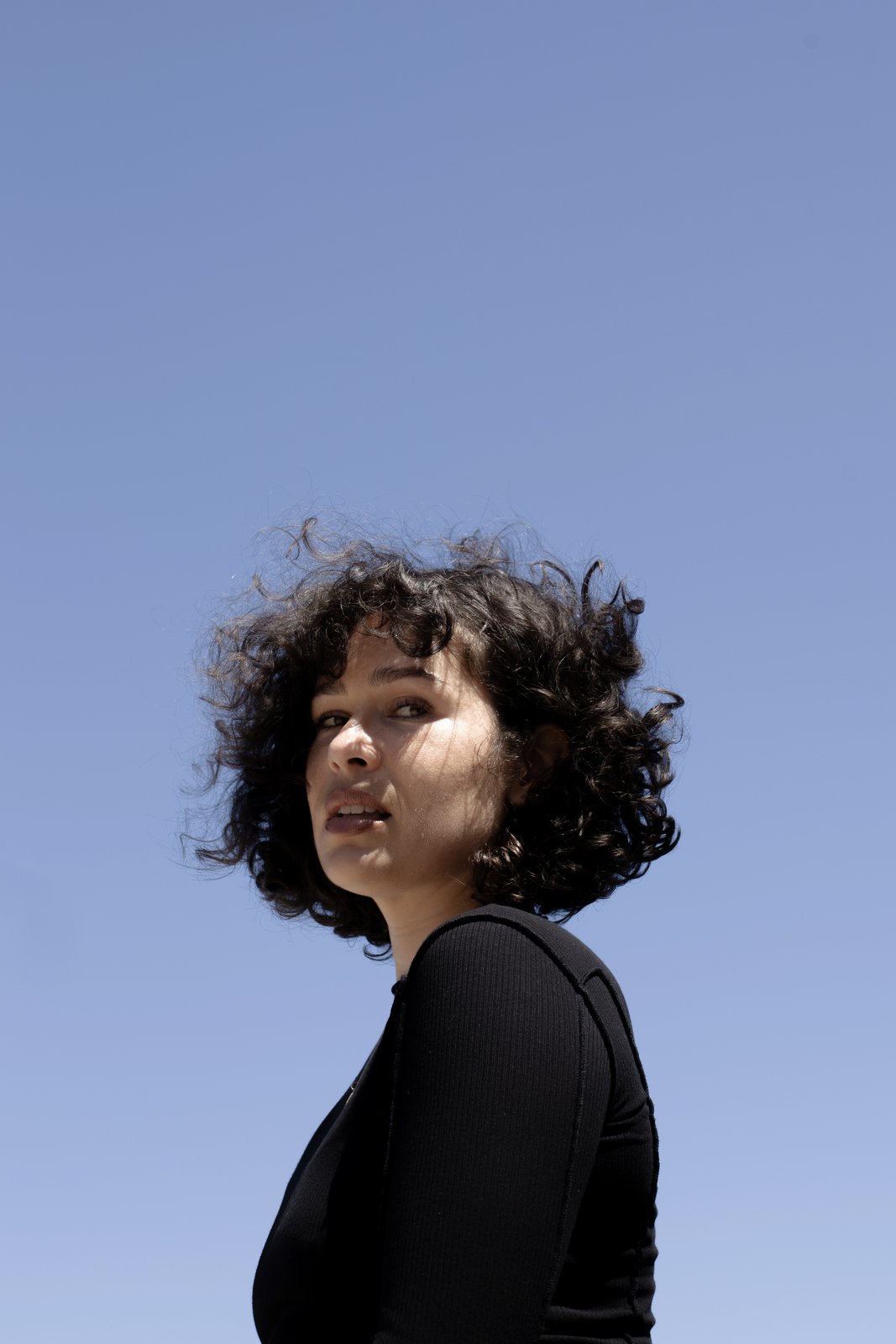
Saraid de Silva is a writer and arts worker from Aotearoa New Zealand, living in London. Her debut novel, Amma, was published in Australia and New Zealand by Moa Press, and in the U.K. by Weatherglass Books in 2024. Amma was longlisted for the New Zealand book awards and the Women’s Prize for Fiction in 2025.