燥 zào, dryness
M Lin · Beijing
Throughout my childhood in the late 90s and early aughts, Beijing was notorious for harsh winters. In addition to the below-freezing temperature and howling wind, the air pollution often worsened from coal-powered heating. Complaints about the lack of fashion choices united Beijingers—no designer coat would suffice, only down parkas in dark colors were acceptable armor to shield you from the wind, dust, and frigidness. The most hostile aspect of all, though, was the dryness. Wood furniture and wood floors and human skin cracked in unison. Indoor humidity often neared zero percent.
Back then, humidifiers were not yet a common household item. My mother, undeterred, invented her own: She filled aluminum lunchboxes with water and distributed them across the old-fashioned radiators in every room of our apartment. The lunchboxes were a staple of the era—or more precisely, a staple of an earlier era when most Chinese people worked for state-owned enterprises that offered every meal of the day. Like wearing the same uniform, everyone carried the same aluminum lunchboxes to and from the cafeterias. By the time I was child, my family had upgraded to stainless-steel lunchboxes and retired the aluminum ones as our analog humidifiers. From the radiator’s scorch, their smooth surface turned uneven with bumps and ditches, forming a wild and unpredictable terrain. As the water evaporated, thin white chips of limescale gathered on the bottom until they caked up into a stubborn coat that required scrubbing, which my mother did every few weeks. She tasked me with the easier job: refilling the water. Though it shouldn’t have been a surprise, the water always dried up before I could remember to fill it again. When I did, I tried to maximize my lag time: filling every box so full to the brim that I walked in sloth speed to balance it across the apartment, taking care not to spill a drop.
After living elsewhere for almost two decades, my adult body can no longer adjust to the dryness my childhood self endured. I visited Beijing one winter, and even with a humidifier, I’d wake up in the morning with a baked throat and blood on the tissue when I blew my nose. I avoided going home in the winter for years, which meant I couldn’t spend the most important holiday with my mother—the Spring Festival always falls in the coldest month. During the pandemic, I couldn’t return for over four years. When I finally could, I was determined to spend more Spring Festivals with my mother. In 2024, on China’s biggest annual sale day, “double eleven” on November 11th, I asked my mother for a present: not a pretty piece of clothing or jewelry, but the latest, high-tech, mist-less humidifier.
By the time I was child, my family had upgraded to stainless-steel lunchboxes and retired the aluminum ones as our analog humidifiers.
As it turned out, though, I barely needed it at all. The global climate phenomenon El Niño has moved the annual precipitation line northward. In 2025, Beijing received the most rainfall since 1961 at over 900mm; compared to only 839mm in Seattle that same year. While this trend clearly indicates a terrifying future, for the time being, Beijing’s winters no longer terrify me.
My mother has been happy to have me home for Spring Festivals. In her new place, she still runs the same old system: Now, plastic takeout containers sit under fashionably trimmed radiators, as China’s collective economy with cafeterias and tin lunchboxes faded into the past, replaced by endless options of deliveries and restaurants. But the water tames the dryness in the same old way, one molecule at a time, as it has always done and will always do. Whenever I’m home, I silently greet these mini-humidifiers and replenish them without my mother’s asking, the delicate labor of childhood uncomplicated for an adult, so mundane it’s as if I had been doing exactly this every day of my life—as if I had never left.
About the author
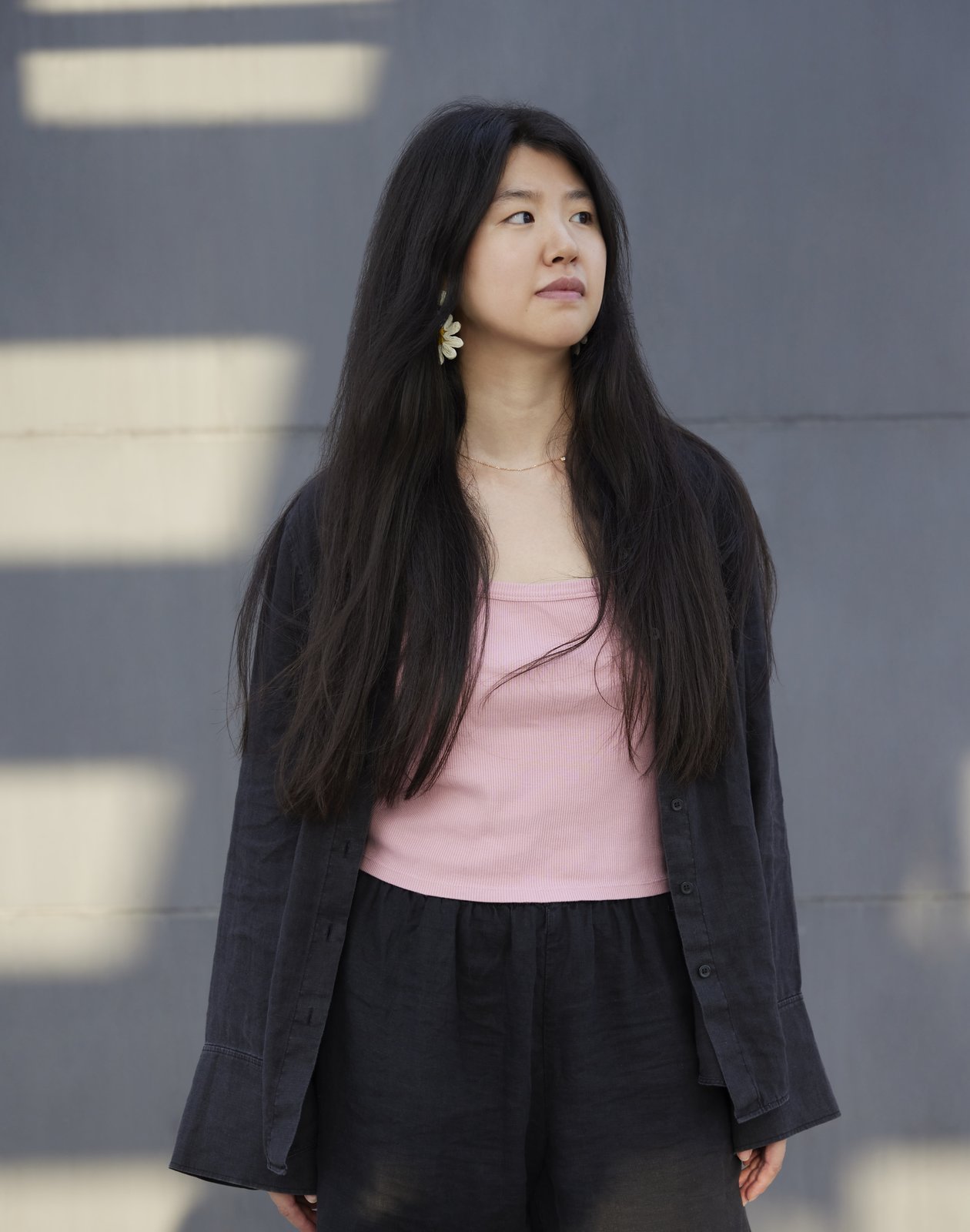
M Lin is a Chinese writer and translator living in the US. Born and raised in Beijing, she writes in English as her second language. Her debut short story collection, The Memory Museum, was published by Graywolf Press in April 2026, including stories that have appeared in Ploughshares, Electric Literature, Swamp Pink, Joyland, Epiphany, and Fence. Her nonfiction and translations can be read in The New York Times, Guernica, Words Without Borders, The Margins, and elsewhere.