Unseasonal
K’eguro Macharia · Nairobi, Kenya
When I told a friend that the mid-February rains were unseasonal, she replied that they fell within the typical window (mid-February to mid-March) for the start of the long rains. I had forgotten there was a typical window. For at least the past decade, rains in Nairobi have been erratic, arriving in late March or mid-April and ending within a few weeks. Or, they arrive as floods, overwhelming the city’s infrastructure and mocking our attempts at urban gardening. It has been easy to lose the sense that the rains have a pattern—a consistent, reliable rhythm that permits us to sow seeds and enjoy food and flowers. The unseasonal names a temporal interruption and an affective reorientation.
Time is cut in uneven, different rhythms, now short, now long, mostly interrupted and interrupting. We prepare garden beds, sow seeds, watch them germinate, and then, if we trust too much in the promise of rain and make no plans to irrigate, we watch our plants wilt. We re-seed and hope the plants will have enough time to mature before the cold season begins, or else they’ll rot. We experiment with plants that promise to resist powdery mildew and early blight and late blight. Early and late plantings combine with uneven temperature ranges and even more uneven rain. Plants drown under deluges. I no longer plant spinach: It bolts because of the heat and rots because of the rain. The unseasonal is jagged, refusing smooth transitions. It leaves us irritated.
After a prolonged drought, I feared the dahlias would not bloom this year, and was delighted and surprised by their vigour. In a typical year, they bloom about three times, but I cannot trust the typical—a strange, even estranged, category—and am grateful for the surprising.
Surprise works for flowers, but not for food. The dhania seeds I planted in January refused to germinate because it was too hot. When, in desperation, I tried to get some from a nearby kiosk, none was available. Given that dhania is a staple food, eaten as often as ugali and sukuma wiki, I wondered about this absence of the familiar. Perhaps its absence might lead us to experiment with different herbs—dill, thyme, basil, lemongrass. But memory lives in flavour and while a kachumbari made with dill might be an interesting change, it does not imbue the present with the layers of the past.
For at least the past decade, rains in Nairobi have been erratic, arriving in late March or mid-April and ending within a few weeks.
Some plants live in the unseasonal. Sorrell, amaranth, managu, and spring onions persist despite the weather. Their leaves might be soft or tough, tiny or large, depending on how much water they receive—but they persist. When there’s an extended drought, I happily share them with the insects. We all eat. Perhaps the unseasonal is also about learning how to live more graciously with non-human animals, sharing what is available. Perhaps I am simply remembering lessons from folktales, the most important being that we share the earth with numerous beings.
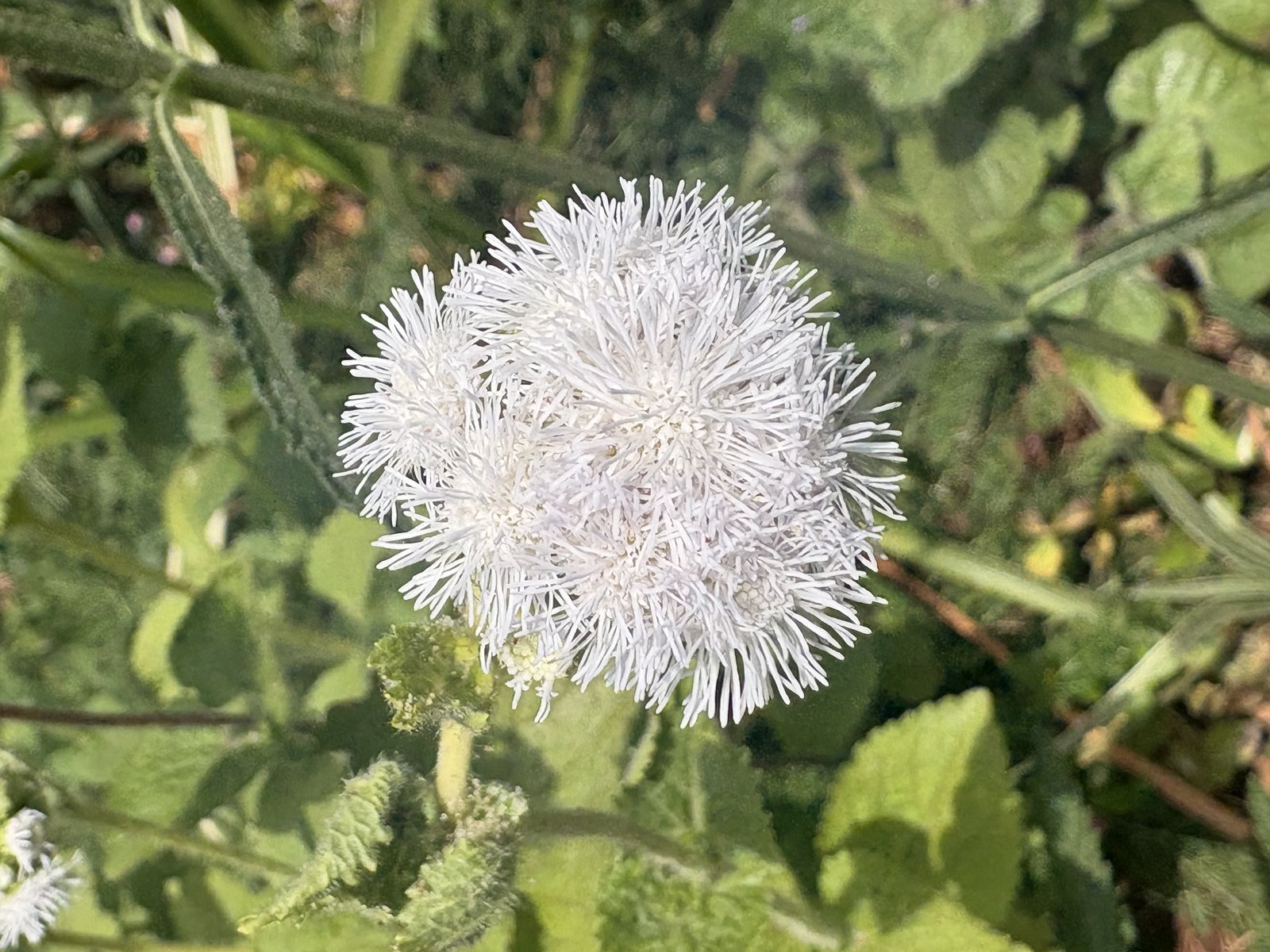
In the unseasonal, plants panic, not knowing when they might reproduce. They produce flowers quickly, distribute pollen as soon as possible, and in large volumes. We no longer have an allergy season. Instead, we live in a season of panicked plants, our runny noses and red eyes and swollen throats testifying to a world that plants are also struggling to survive.
Perhaps, if we are responsible for making the earth unseasonal, then our bodies should live with the consequences of our actions.
About the author
K’eguro Macharia is a writer from Nairobi.