Jellies
Heather Radke · Oceans
By the time anything remotely human-like saw one, moon jellies had been drifting in the currents and tides, their bells pulsing, for almost five hundred million years. They had survived five mass extinctions. An ice age came and glaciers formed and the seas grew shallow. Plants evolved and cooled the earth. A volcano in Siberia spewed ash and sulfur into the air and acid fell on the land and in the oceans. A volcano erupted in the depths of the sea and warmed up the water and the earth. An asteroid fell in Mexico and killed the dinosaurs and the Earth cooled down again. All the while, moon jellies undulated and rippled, going where the ocean took them.
Did the first person to see them find them on the shore? Moon jellies are often there, swept onto the beach by the waves, unable to move themselves back to the water, their gelatinous bodies shining in the sun. They dry up quickly, these jelly bodies that are almost entirely made of water. They have no brains or bones, no heart or lungs. They have gonads and a mouth that is also an anus and two layers of skin that hold their watery gel together.
Did that person, that first person standing on the shore, touch the jelly body, round and reflective like the moon? How could they have resisted? The mucousy animal must have jiggled when poked, must have made that person laugh, the way jiggly things do. They wouldn’t have known to be scared, I suppose. Wouldn’t have known about the sting. But then, these days at least, moon jellies don’t have much of a sting. Many people don’t feel anything at all when they touch them.
So what do they feel, if not a sting? “You want to squeeze them,” a friend tells me who touched one at an aquarium, “but you shouldn’t.” My neighbor, who felt one on a beach once, said they were turgid and compact and reminded her of breast implants. “They are slippery and unexpected,” another friend tells me, “almost like there’s nothing there at all.”
Since that first encounter hundreds of thousands of years ago, we’ve found ways to use jellies. We eat them in salads and put them in medicines and feed them to animals. We grow them in farms where they are agitated with enormous gyroscopes so they don’t stay forever on the bottom of the tank. We put them in aquarium tanks and we smoke a little weed and watch them move and feel like jellies ourselves, relaxing into the currents and tides of this enormous, strange world.
It might feel like a vat of slime, like a boba tea, like the chia pudding I make every morning—snotty and gelatinous, viscous and dense.
These days, the atmosphere is shifting again. The oceans are getting warmer and more acidic. A large mass of warm water known as “The Blob” surfaced in the North Pacific and has stayed there for more than a decade. Sea birds are dying, fish are getting smaller, coral reefs are losing all their color. Crab shells are thinner and polar bears have less and less to eat.
But moon jellies are doing just fine. They are thriving. Moon jellies love warm and acidic water. They love The Blob. Scientists talk about the “jellification” of the oceans. The jelly things that swim there—and there are many—are living well. The fish can’t grow because the jellies eat all their eggs. There are dead birds decaying on the beaches because they have no fish to eat. But for the jellies, this change in temperature means abundance and growth.
I imagine a future dark sea, warm and a strange hue of blue. Much of what we love of the ocean is gone—species of fish and crabs, birds and marine mammals. But the jellies remain. If there is still anyone around, they might reach a hand into the sea. It might feel like a vat of slime, like a boba tea, like the chia pudding I make every morning—snotty and gelatinous, viscous and dense.
It may be the end of the world for us, and for many others. But it is not the end of the world for the moon jelly, who has been around for hundreds of millions of years, and might have hundreds of millions more to go.
About the author
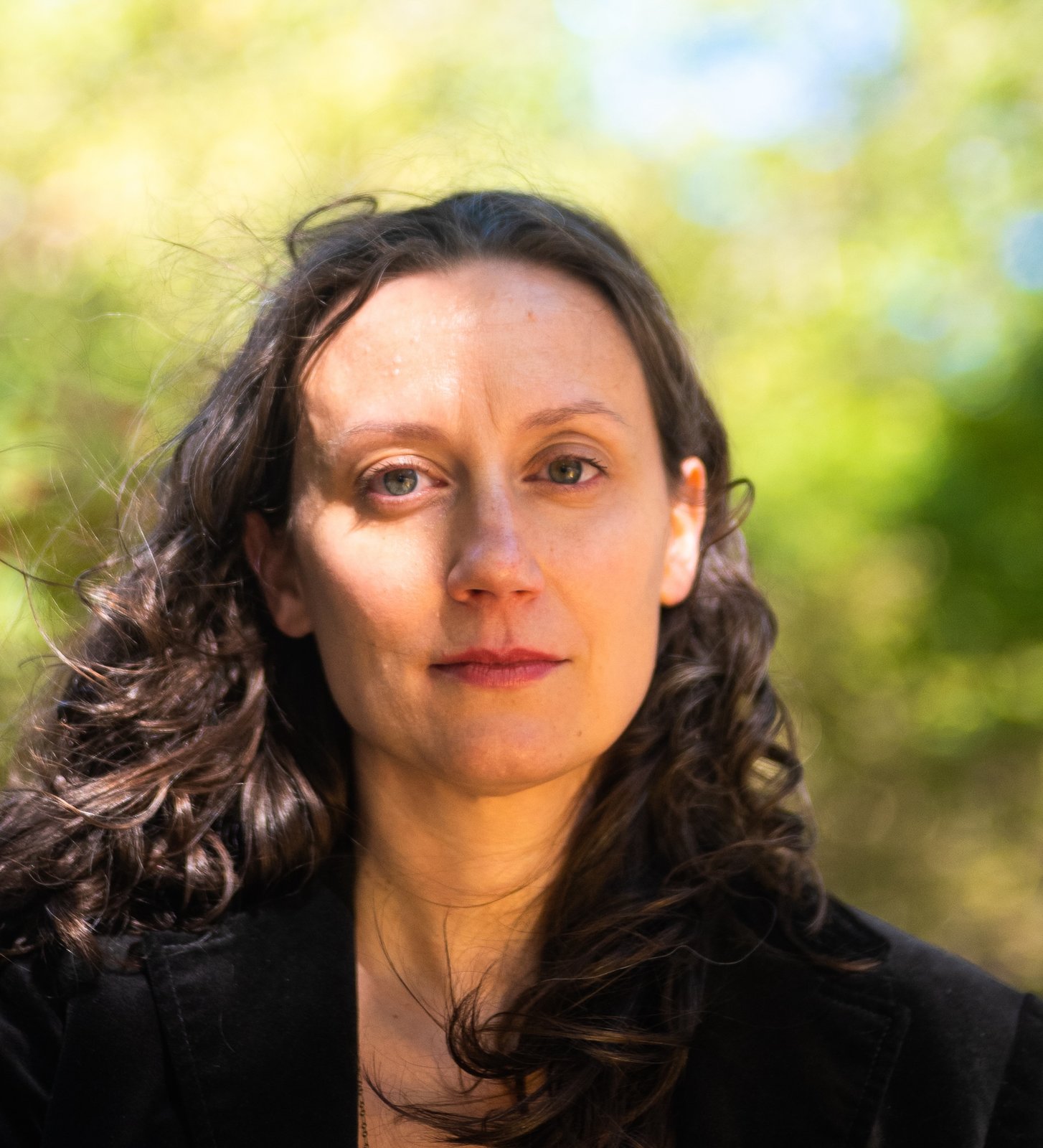
Heather Radke is a writer and Contributing Editor for WNYC's award-winning podcast Radiolab. Her first book, Butts: A Backstory, came out in 2022 and was named a best book of the year by Time, Esquire, Publishers Weekly, and Amazon. Her essays have appeared in many publications, including The Believer and The Paris Review. Her next book is about the cultural history of pre-adolescent girlhood. She recently returned to the Chicago area after a decade in New York City.