Snake and Sihek
Hannah Dela Cruz Abrams · Guam
For years, poisoned mice fell from the sky. They tumbled down, tied with bits of cloth and paper—bright streamers that caught in the overstory of leaf and branch until their bodies hung by the thousands above our heads. We sent the mice to kill the snakes that had eaten the birds, because after the birds were gone, the seeds didn’t scatter and the woodlands went lean and silent. Spiders grew large and their webs more vast between the skinnying trees.
The first people perceived abundance and called the island Guåhan, to have. For two thousand years, the island had a lot and what it had was good. Clear water and coral reef. Mangrove swamps and volcanic hills. Ravines and sword grass and thirteen birds with soft names that flew nowhere but here. The Micronesian kingfisher, known in the Marianas as the sihek, was the last to disappear. A bird of arresting plumage, its orange head is ringed in teal and its wings are the shifting blue green of scales or mermaid tails. Behind its strong beak, the sihek is compact and defiant.
The snakes were introduced by the infrastructure of war. The framework of liberation. A mating pair stowed away on a cargo ship. Or else, a single gravid snake slid into the hold and out again at Apra Harbor, and her children multiplied, living high in the canopy, choking power lines, and darkening the night. They entered homes and bit children. Ravenous, they mouthed what they could not swallow. Dogs and young goats died whole, envenomed, and slick with saliva in the morning light. As their moniker suggests, brown tree snakes are arboreal, but in this new habitat absent of predators, they invented smarter ways to climb. We put up baffles to protect the nests, so they looped their bodies into single anchor points and shimmied up our slickest holdbacks using lasso locomotion, a new method of ascension.
Some of us have come to fear and despise the snakes. Some of us hide birds on nearby islands while others discover the snakes have learned to swim. Some of us perceive whence all the trouble came and mistrust not the snake but the savior who was once its sender. If ecology translates to the study of a house, is it cataclysm or triumph that we answer plague with plague?
They were bred in captivity for forty years until nine descendants emerged from aviaries on Palmyra Atoll and blinked into a new light.
Ahead of the sihek’s vanishing, twenty-nine birds were caught and kept in cages far away. They were bred in captivity for forty years until nine descendants emerged from aviaries on Palmyra Atoll and blinked into a new light. Decades after its extinction in the wild, the sihek is free to hunt lizards and land crabs again, to make nests in the softwood of decaying trees again. The first hatchling with a brood is called Tutuhan. Beginning.
Mice still parachute the jungle crown of the silent island. We stuff them full of Tylenol, insert tiny radios beneath their stopped and tiny hearts, and listen for a signal to crackle alive in the belly of a dying thing. Despite our best efforts, two million brown tree snakes survive, which means that, for now, the sihek calls only on Palmyra, and the limestone forests it used to flit in remain unsung.
I will send all my plagues upon you yourself so that you may know that there is no one like me in all the earth. Whose voice do you hear? And when I say we’re almost home, tell me how fast or faint is the beating of your hope.
About the author
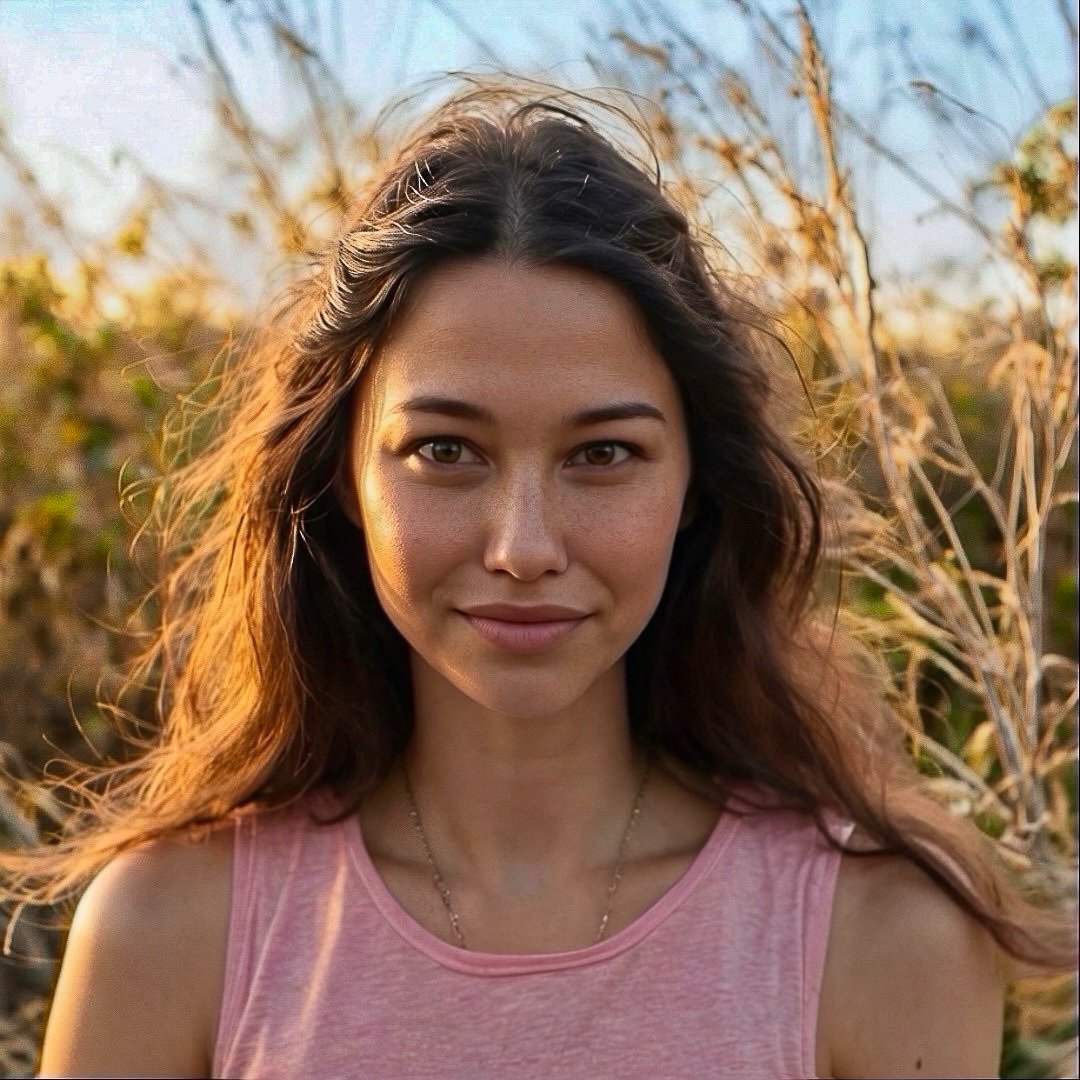
Hannah Dela Cruz Abrams received the Whiting Writers’ Award for her novella, The Man Who Danced with Dolls, and her memoir-in-progress, The Following Sea. She has been further supported by a Rona Jaffe Foundation Writers’ Award, a North Carolina Arts Council Fellowship, the Robert F. Hartsook Fellowship, and the Robert H. Byington Fellowship. Her work has appeared in Orion, Oxford American, StoryQuarterly, Southern Humanities Review, The Pinch, Raleigh Review, MAYDAY Magazine, Carolina Quarterly, and elsewhere. Originally from the Mariana Islands, Abrams now lives and teaches on the southeastern coast of North Carolina.