Cajueijo / Cashew Apple Tree
Fernanda Santanna · Translated by Natália Affonso · Brazil
This cajueiro was (and is) so alive in my memory that it’s as if I refuse to accept it isn’t there anymore. As if there is still something left of my childhood cashew apple tree, the tree that saw me grow into adulthood. Instead, there is a grey cement block, an unmarked tombstone, a communal ditch of a troubled childhood. My youth was somewhat protected by the rounded leaves of the cashew apple tree whose branches extended with a dreamer’s conviction that it could touch the blue sky. Cashew apple trees usually have low crowns but not this one… Mine outstretched its branches high, reaching for the sky. The tree was my refusal to let childhood hope die. In the fleeting moments when I saw green touching blue, heard the birds sing from its crown, let my eyes dance to the susurrus of its leaves, there was peace. As I write this, the ink on the paper immortalizes the cashew apple tree’s fate like a death certificate and eulogy. The tree knew me from birth, and I saw it die. I only cried for the death of my cashew apple tree when I wrote this. My growth was marked by cashew apple seasons. Once the tree was gone, so was the act of noticing the years. I saw its tranquil, abundant life sunset—battered by a sickened era. The tree was born bold and stubborn, squeezed between my grandparents’ house and my grandfather’s repair shop, as if keeping an eye on both, protecting them. It gave us velvety, juicy, colorful cashew apple hearts, and harshness as well, the true fruit, the nut. They say akaîu, in Tupi, means “nut that is fruitful”. It is from akaîu that what I call “caju,” and you cashew apple comes from. Tupi, a rich, meaty language making other tongues salivate. I always thought it was curious that one of my roots, my father (who never lived in my cashew apple tree’s backyard), stretches from the state of Sergipe, from a city called Acaju, which means “parrots’ cashew apple tree.” In my grandparent’s backyard, parrots and conures seemed to know what I only learned later on: The cashew apple tree belonged to us, and we belong to it as well. The sky lost a load-bearing beam. The birds have to land elsewhere. So do I. When the cashew apple tree got sick, I was already a visitor in my childhood home. We saw each other very infrequently, like relatives that grew apart because of life’s windingness, not because there was no affection between us. The tree got sick and there was no remedy that could cure climate change-itis, a malaise that arose from the planet’s fury at the age of men (those who are not us). Extreme climate events, plagues, diseases, anthropocene. The “age of men” killed the cashew apple tree and lost track of time. The cashew apple tree and me (and maybe you?) are not part of this “anthropo” that eviscerates the land and carves change in the bark of the world-tree. We carry on as heart-fruit and seeds, rustling the leaves of our dreams and holding up the sky, just like my cashew apple tree taught us. It is gone, encantou, transcended. It is up to us now, to carry on producing tomorrows.
Brazilian Portuguese original:
We carry on as heart-fruit and seeds, rustling the leaves of our dreams and holding up the sky, just like my cashew apple tree taught us.
Eu chorei a morte do meu cajueiro só quando escrevi esse texto. Era como se ele ainda estivesse tão vivo (e ainda está) na minha memória que eu me recusava a aceitar que ele não está mais lá. Que o que sobrou do cajueiro da minha infância, que me viu me tornar adulta, não tinha se tornado um bloco cinza de cimento, como uma lápide de um indigente. A vala comum de uma infância conturbada, protegida pelas folhas arredondadas de um cajueiro que estendia seus galhos como quem tentasse, sonhador, tocar o céu azul. Era a recusa de ver morrer a esperança de criança de que, ao ver o verde tocar o azul, ao ouvir os pássaros cantarem em sua copa, deixar os olhos dançarem no farfalhar das folhas, de que, naquele momento, fugidio, havia paz. A tinta no papel enquanto escrevo, vai assinando a sina do cajueiro como uma certidão de óbito e eulogia. Ele me viu nascer e eu o vi morrer. Cresci de caju em caju e, quando ele se foi, se foi a contagem dos anos. Vi sua vida mansa, abundante, findar com a moléstia de um tempo adoecido. Ele nasceu atrevido e cresceu teimoso, apertado entre a casa dos meus avós e a oficina do meu avô. Como quem vigiasse ambos. Como quem protegesse. Cajueiro é uma árvore que costuma ter copa baixa, mas ele cresceu como um braço esticado tentando alcançar os céus. Uma árvore de suculentos corações coloridos e de fruto duro, a castanha. Diz que akaîu, em Tupi, significa noz que produz. É do akaîu que vem o seu cashew e o meu caju. O Tupi, carnudo e rico, lambuzando as línguas. E eu sempre achei curioso pensar que uma das minhas raízes, a família do meu pai (que nunca morou no meu quintal com cajueiro) vinha do Sergipe, da cidade de Aracaju, que significa “cajueiro dos papagaios”. As maritacas e os papagaios pareciam saber o que eu só aprendi depois. O cajueiro era nosso e éramos dele também. O céu perdeu um pilar. As aves não pousam mais lá. Eu também não. Quando o cajueiro adoeceu, eu já havia virado visita na casa da minha infância. Nos víamos pouco, como parentes que se distanciam pelas vicissitudes da vida e não pela falta de afeto. Ele adoeceu e não houve remédio que curasse o mal de um clima mudado, aborrecido com a era dos homens (que não somos nós). Eventos climáticos extremos, pragas, doenças, antropoceno. A “era dos homens”, ao matar o caju, perde a contagem do tempo. E nem eu e nem o cajueiro (e nem você, talvez?) fazemos parte desse “antropo” que eviscera a terra e arranha mudanças na árvore-mundo. A gente segue fruto-coração e semente, farfalhando as folhas dos nossos sonhos e sustentando o céu, bem do jeitinho que o cajueiro ensinou. Ele se foi, encantou. Agora, nós que produziremos amanhãs.
About the author
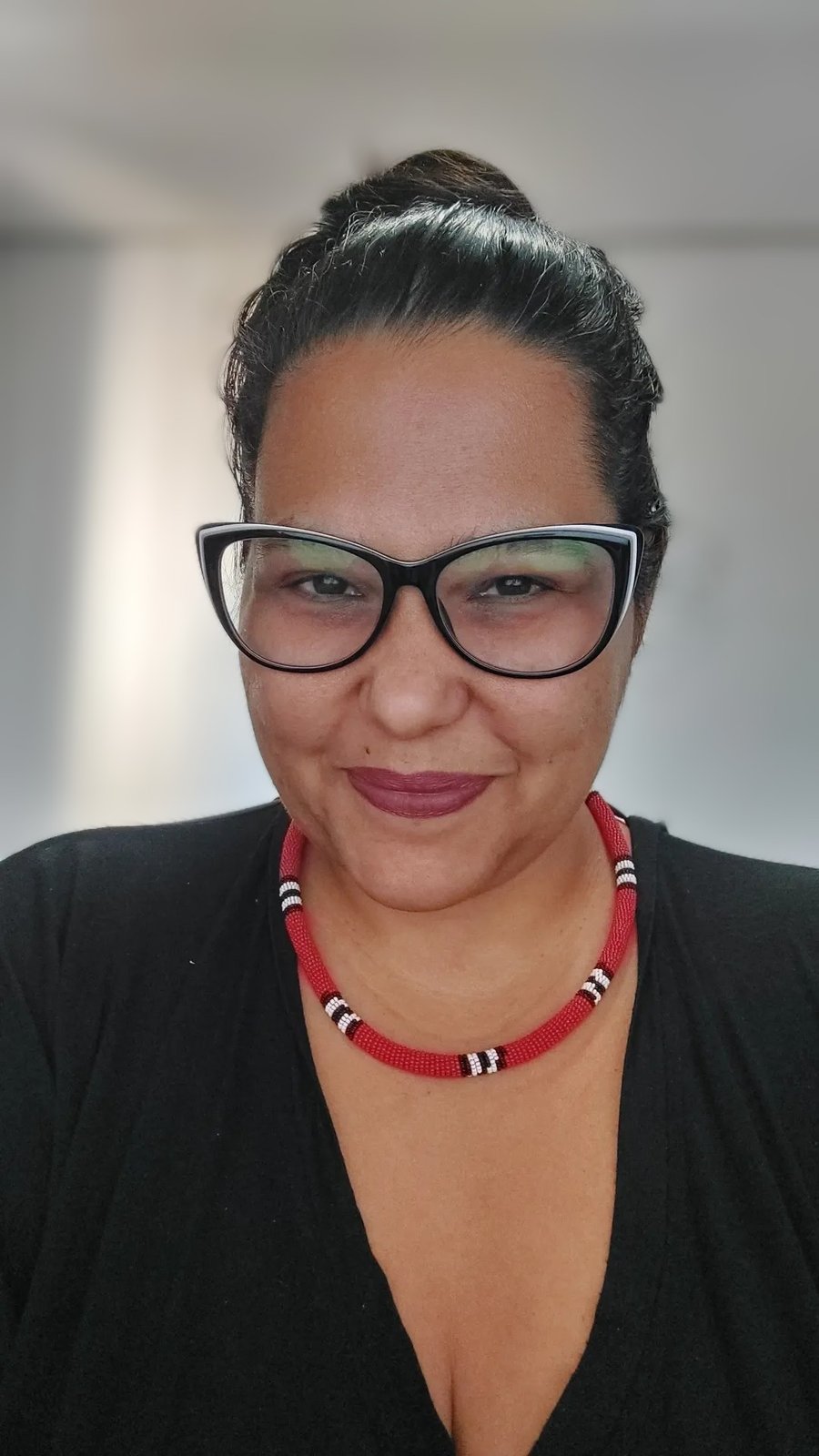
Fernanda Vieira de Sant' Anna is a queer Carioca mestiza raised in the outskirts of Rio de Janeiro. She is a poet, writer, researcher, translator, and professor whose work engages literature, decolonial praxis, and Indigenous and racial justice. Her poems, translations, essays, short stories, and scholarly writings have appeared in various publications and media. She holds a PhD in Literature Studies and is currently a Professor at the Minas Gerais State University (UEMG), where she is a Research Productivity Fellow (PQ).
About the translator
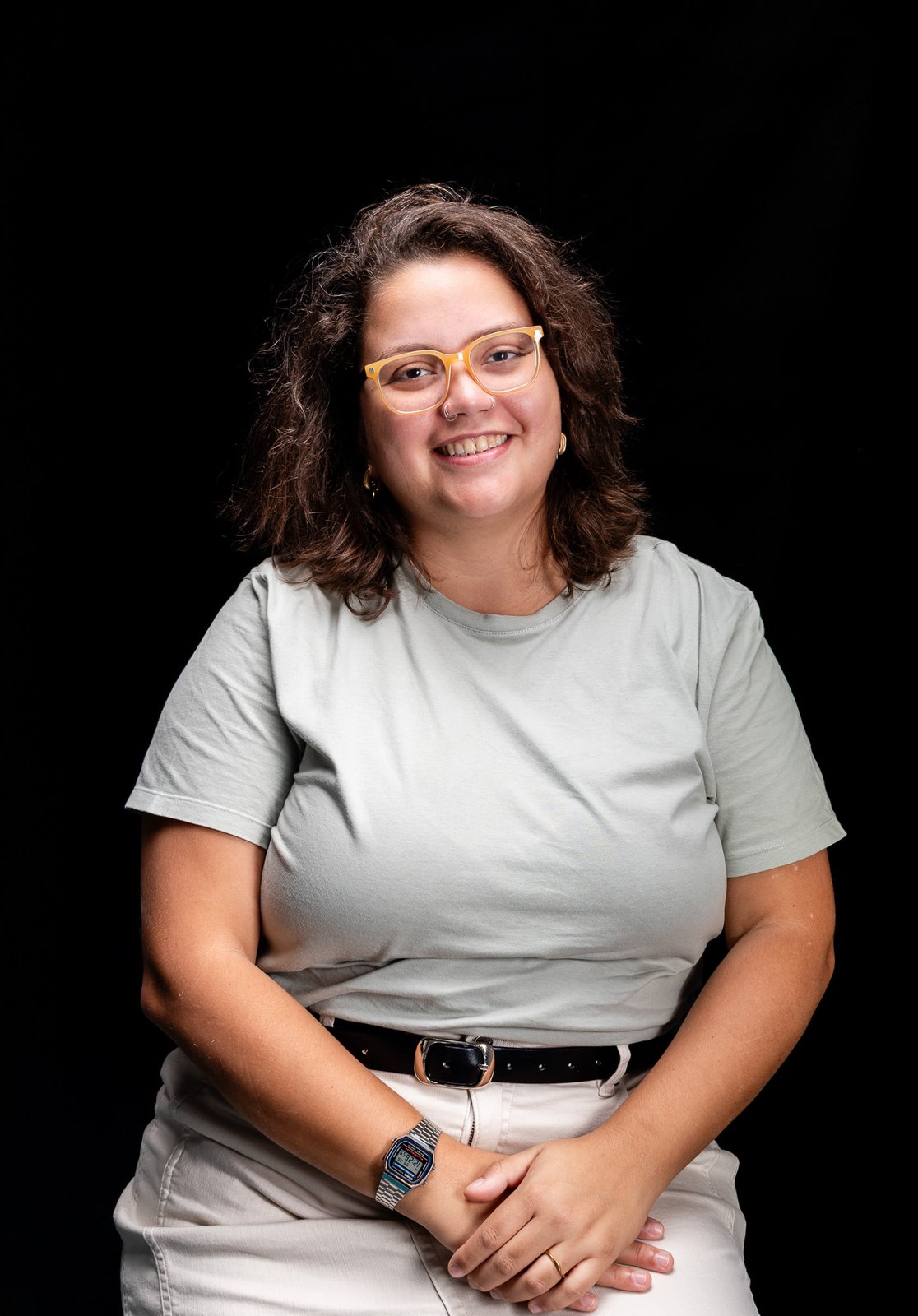
Natália Affonso is a translator, editor, and communications professional. Her poetry translations of tatiana nascimento’s work appeared in Cuíer (Two Lines Press, 2021), in lunduzinho (Ugly Duckling Presse, 2022), and in Thinking from Black: A Lexicon (FSG Originals, 2026). Her excerpt translation of tatiana nascimento's novel água de maré (tidal water) was a winner of PEN English's PEN Presents: Brazil grant. She guest-edited a Full Stop Magazine quarterly, Tender Tongues (2026). Natália is from Rio de Janeiro, Brazil, and currently lives in Southern California in the U.S.