Orphaned
Dimitri Staszewski · Mongolia
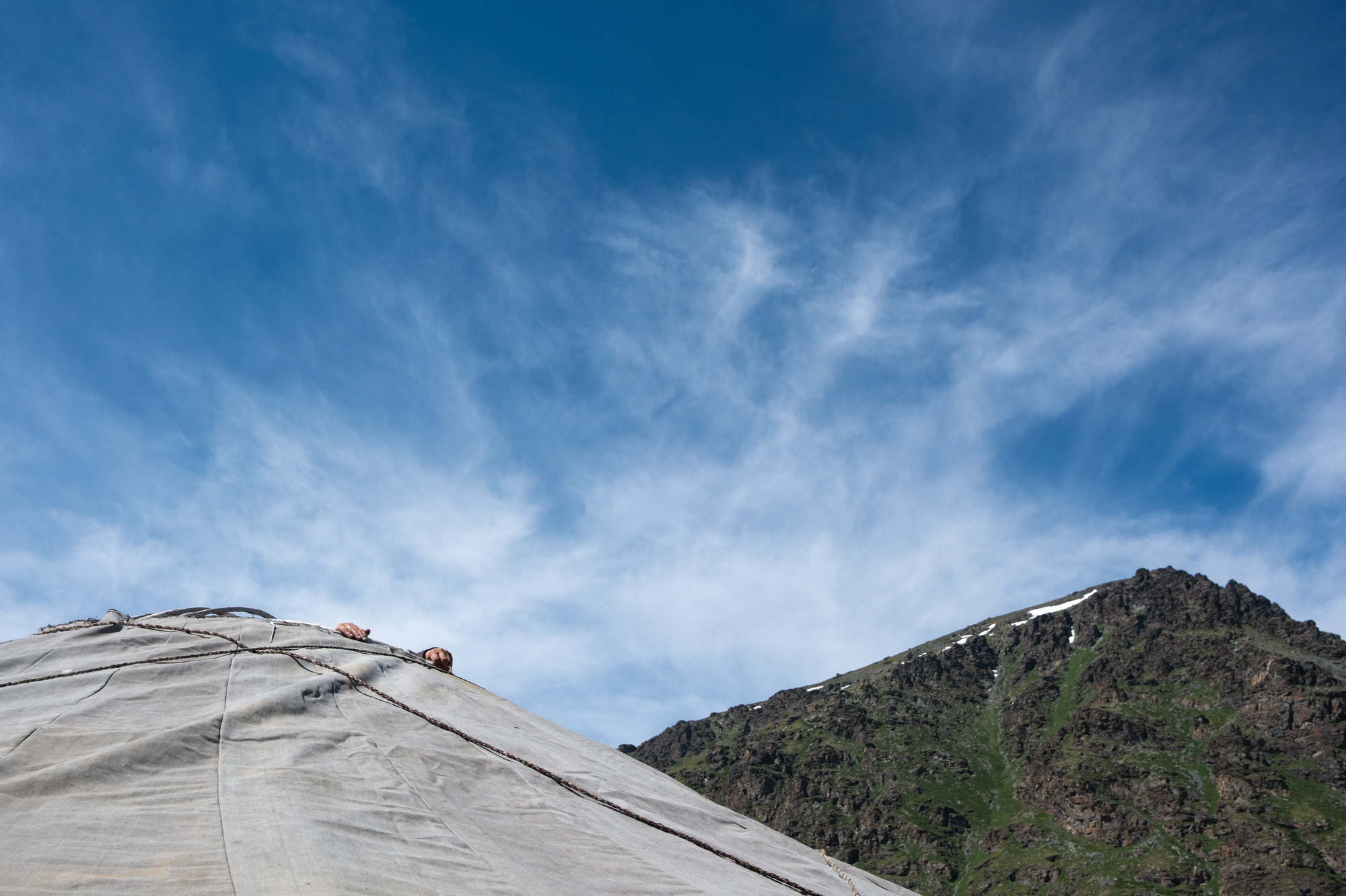
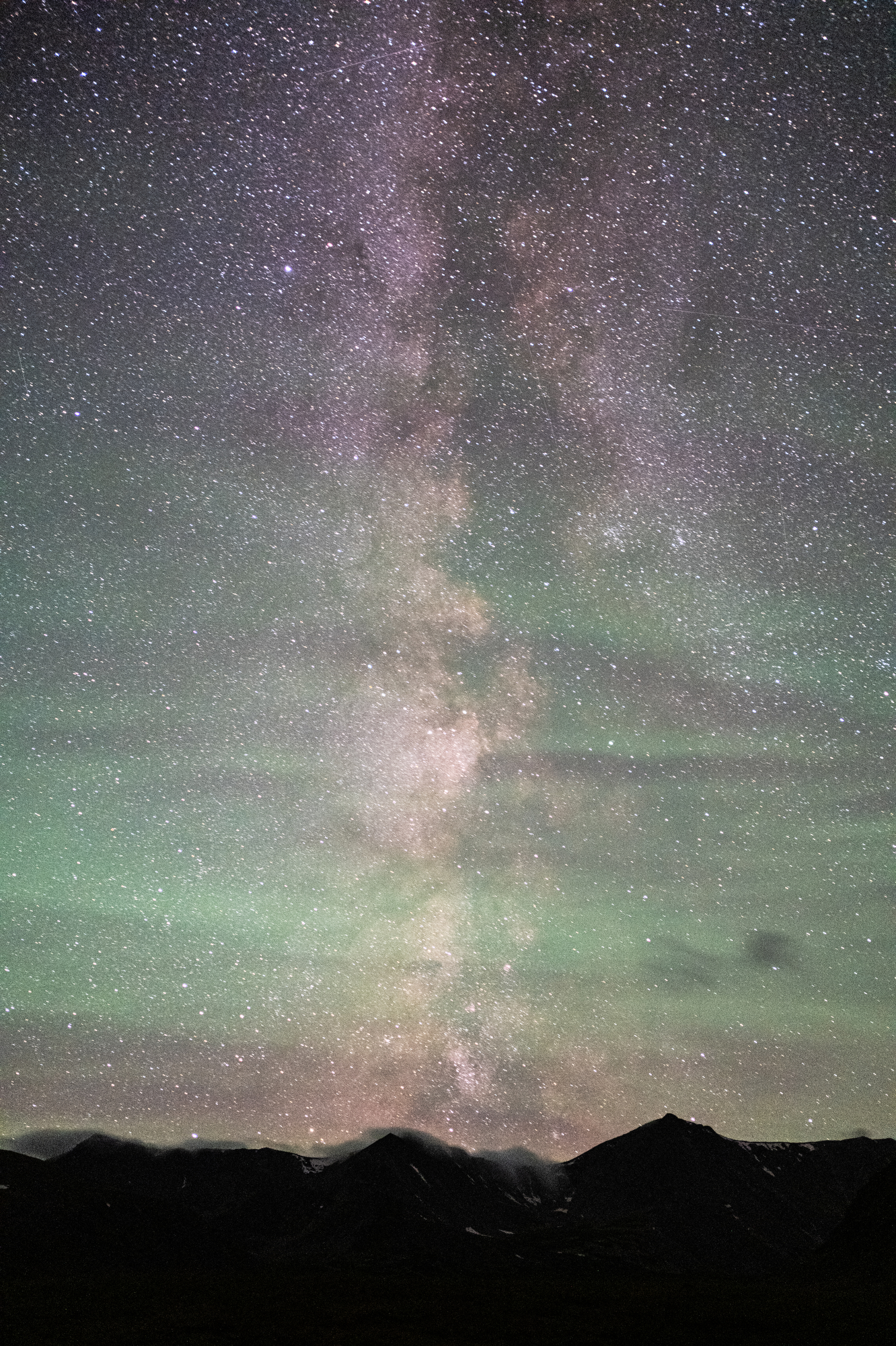
Clean springs and high, snow- capped mountains
Is it fate that I will always be moving?
Kerei, Uaq, and Naiman like fresh, unspoiled cream
to whom will we give this land? Bayan Ölgii province?
Urankai and Dorved like fresh unspoiled cream
when I leave, you become orphaned.
When the people leave, the land becomes orphaned.
A Kazakh herder named Koken Kabit sang this song for me in January of 2016. The song, by Murat Pushatai, was written in the wake of the migration of 50–60,0000 nomadic Kazakhs out of Mongolia after the socialist government collapsed. Many of them ended up in the more industrial, post-Soviet cities of Kazakhstan—a far cry from their pastures in western Mongolia.
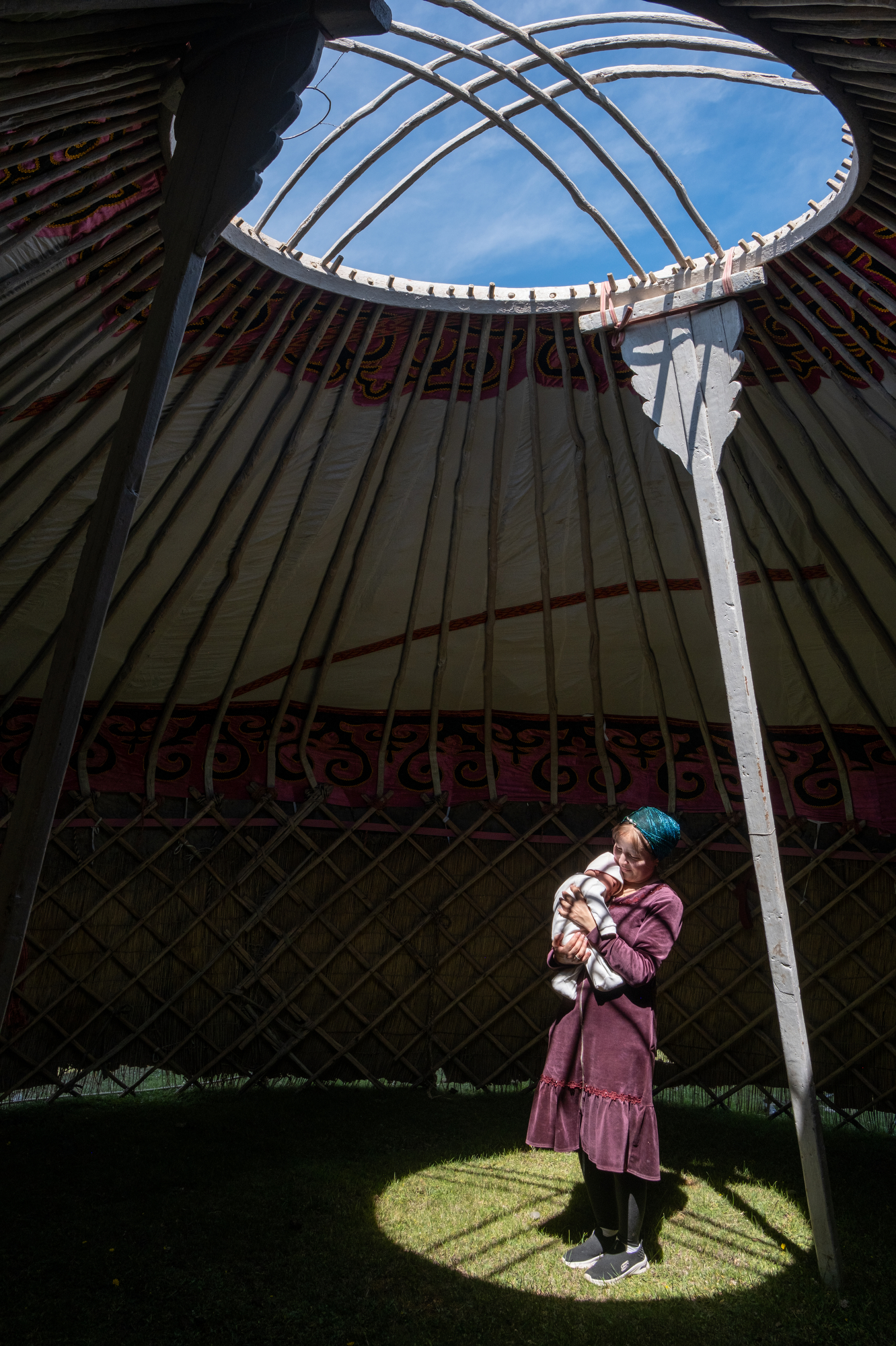
A few months after hearing this song, I returned to Bayan Ölgii searching for music. While there, I stumbled into a story I had never heard told.
The nomadic pastoral community I visited was living alongside—and sometimes even raising—wolves to harvest as medicine. Through late-night whispers, the herders revealed a web of traditions that center wolves: deeply respected predators that are seen as ancestral and spiritual beings, as well as hungry aggressors that at times need to be hunted.
The duality of their relationship with a wild animal they depicted with mythical reverence transfixed me.
In an attempt to unravel and understand what I had heard in 2016, I’ve spent the last several years growing closer to this community, following wolf hunts and asking questions.
“The reason we see the wolves as sacred or spiritual is because we have a myth,” the herder Serikbol Koshegen told me. “Our ancestors, the Blue Turks, come from wolves.”
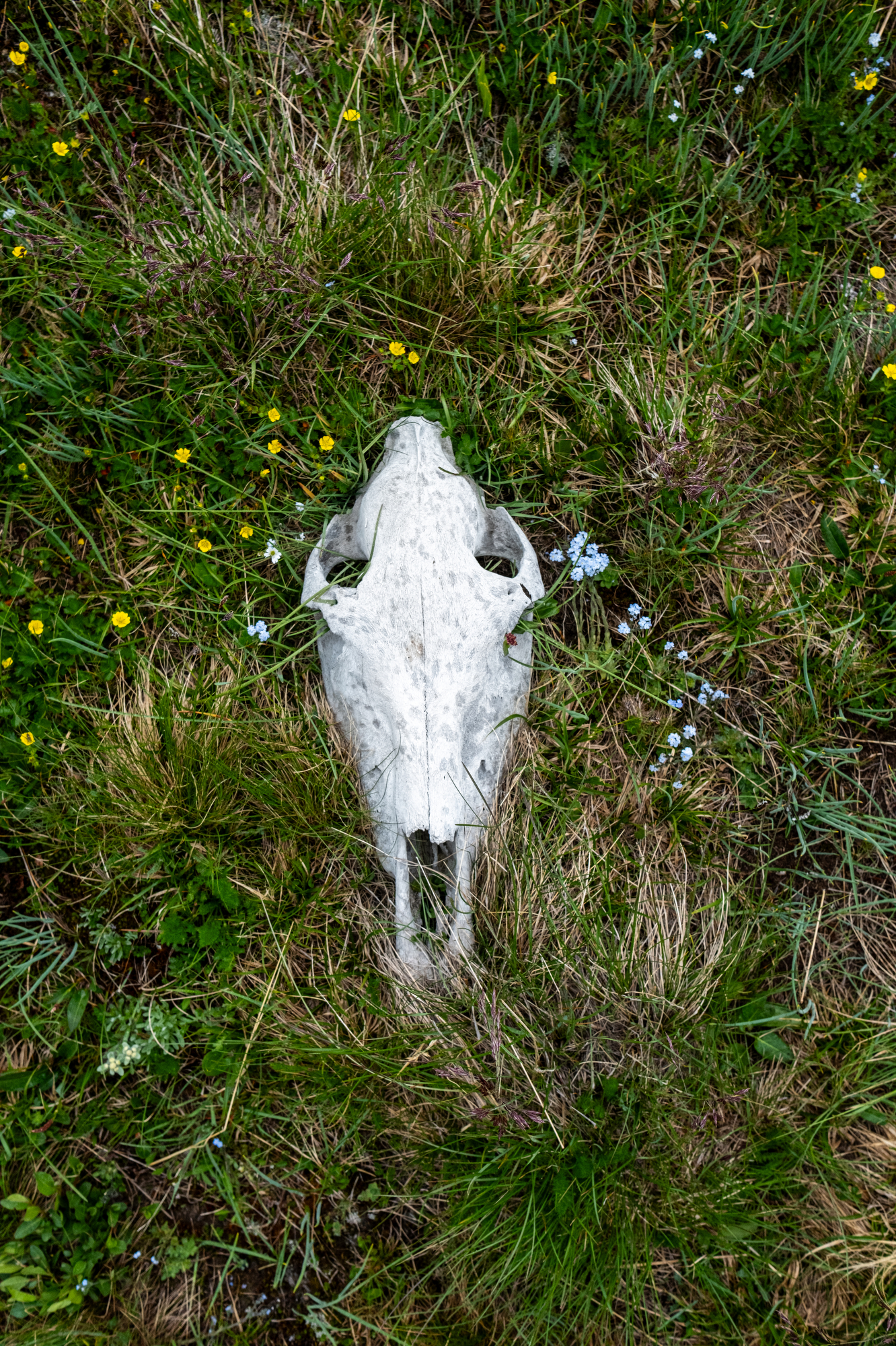
During the spring of 2023, I’d wake most days to see at least one animal killed by wolves. In these rugged and unpredictable mountain plains, life is precarious. A neighbor lost 200 animals in a cold snap overnight. As the wolves attacked before the sun peeked over the mountains each morning, Serikbol had other battles to attend to.
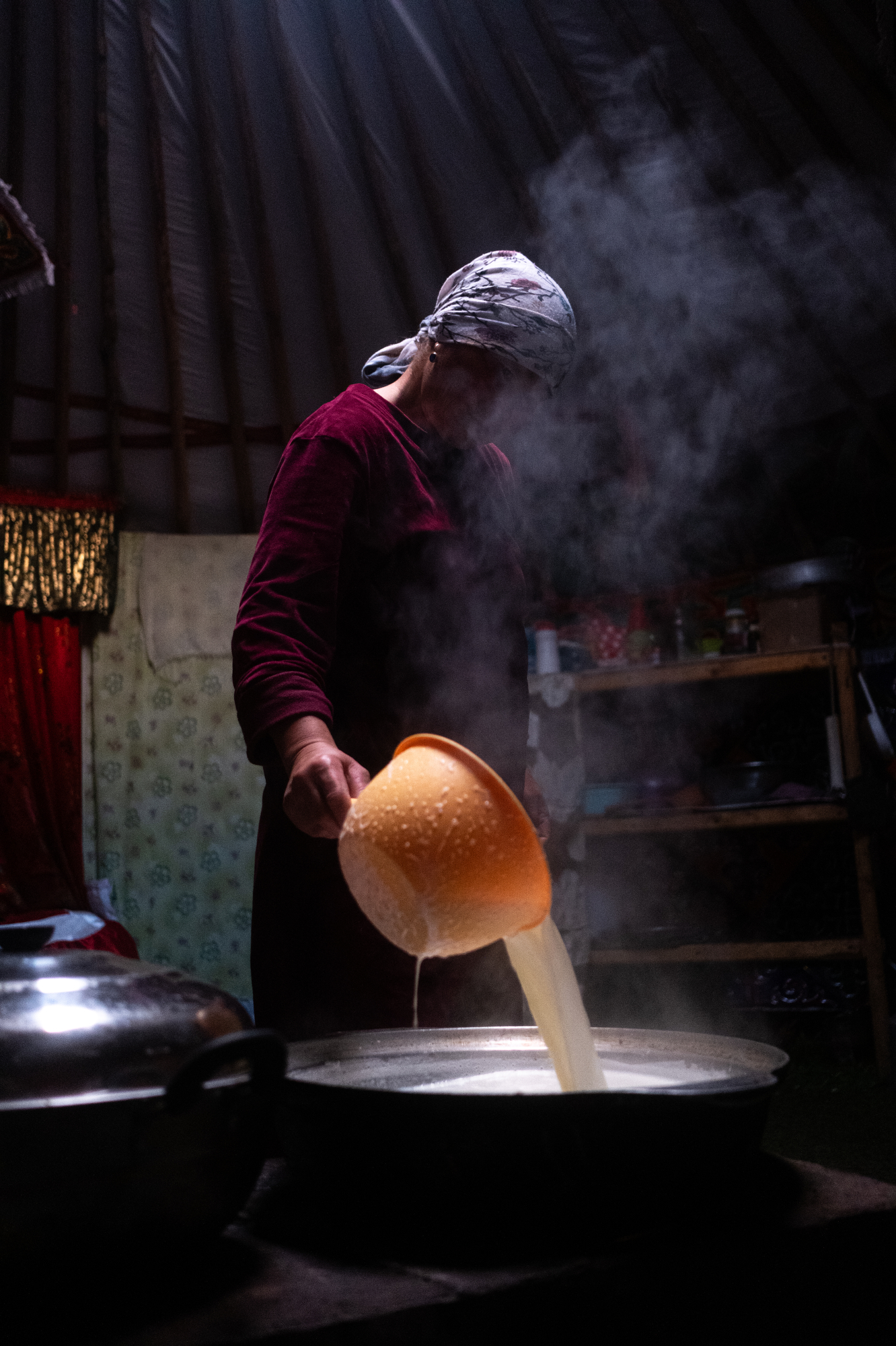
We brought a mother yak, weak from giving birth, into his yurt to help her recover. A dry summer, followed by a harsh winter, then an especially volatile spring—what they call a jut year—had left Serikbol with little feed for this mother yak and his other animals. We scaled cliffs together, collecting wild grasses to try and keep her alive.
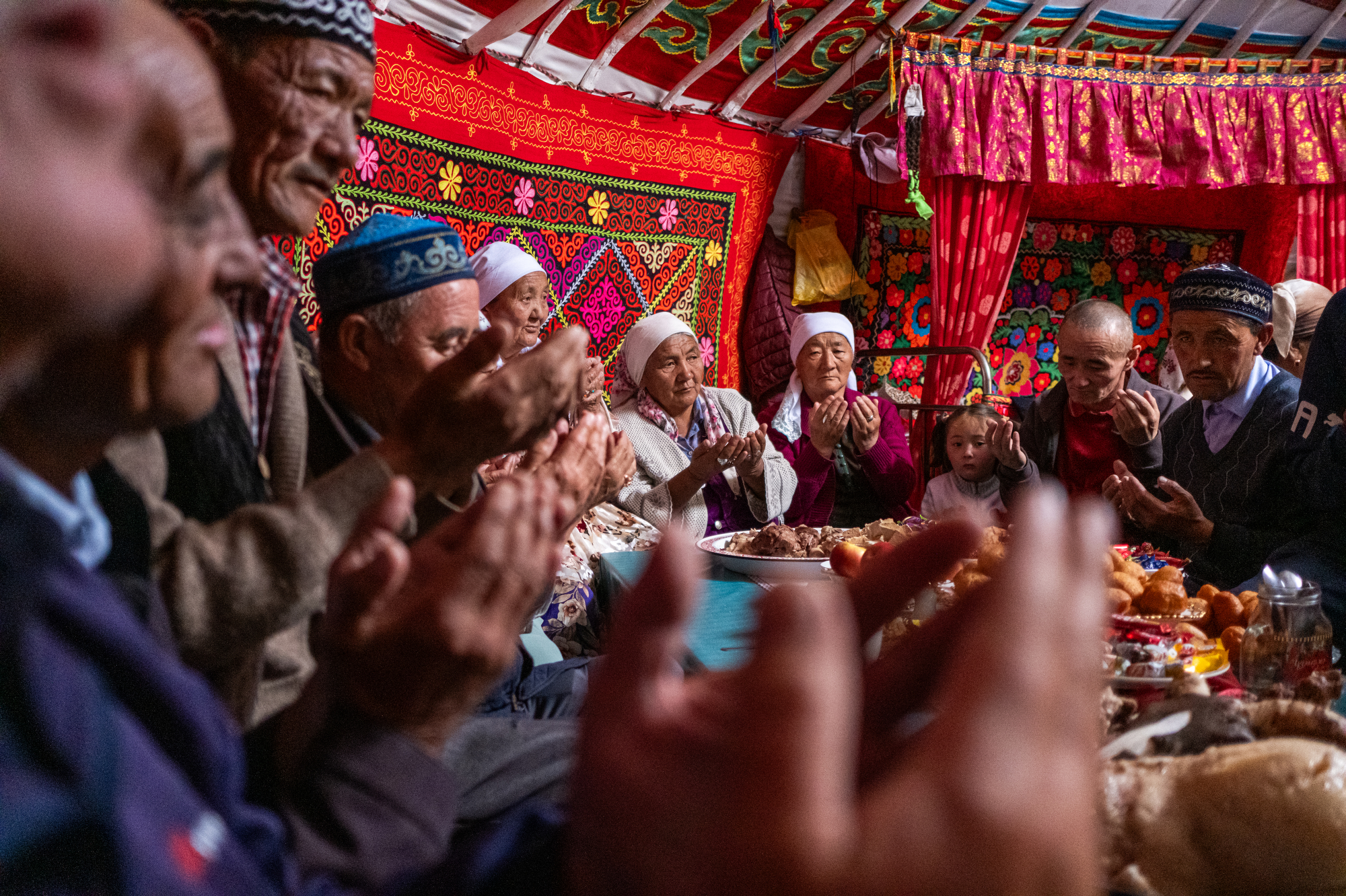
One day I asked Serikbol if he thinks climate change will force him to change his nomadic lifestyle.
“Only Allah knows.”
I wonder about another great migration. What would this land lose, what would it become? I saw that possibility flicker in the minds of the Serikbol’s community as they grappled with the impacts of the jut.
The following summer was green and bountiful. The community, comfortable navigating the dynamic nature of life in the Altai Mountains, enjoyed a restful season. But the jut left a lasting impression.
“If I go to Kazakhstan, there will be three things I miss about Mongolia,” said Serikbol. “One is my freedom, going out, feeling free, traveling like this. Second are my fast horses. Third is my eagle.”
The last line of the folk song Koken showed me echoed through my mind and spirit: When the people leave, the land becomes orphaned.
About the author
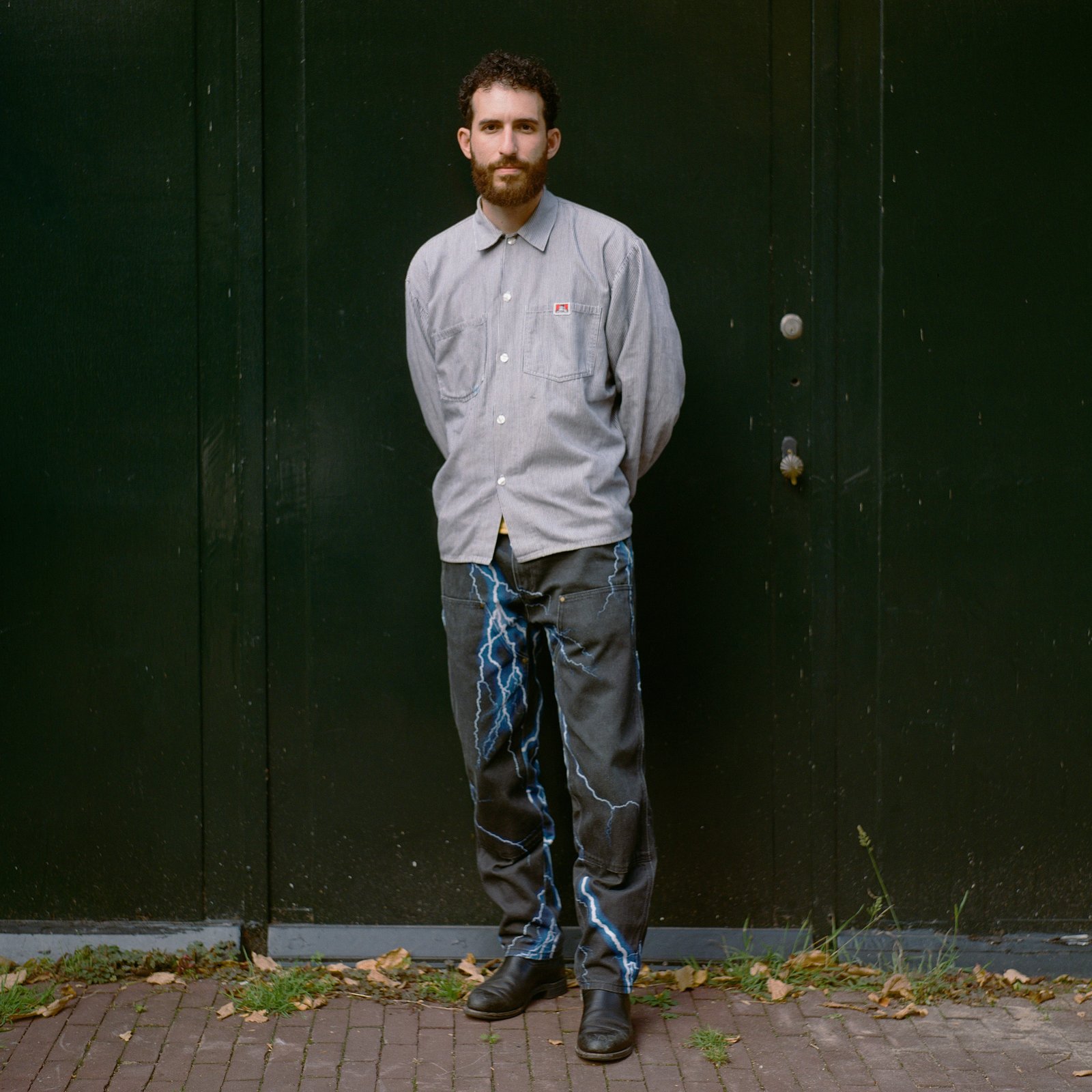
Dimitri Staszewski is a photographer and author engaged in long-term projects that use intimate and specific storytelling to shed light on relatable and global issues. Cultural preservation is often at the core of his work and bookmaking exists at the center of his practice. His ongoing long-term documentary project, The World at Night, creates the first formal documentation of the spiritual relationship nomadic Kazakh herders have with wild wolves in western Mongolia. The project examines how myth, ecology, and survival intersect in a landscape where wolves are understood not only as predators, but as ancestral and spiritual beings. He is currently completing The World at Night as a book-length work of photography and nonfiction writing and is seeking literary representation and publishing opportunities.